Performance advantages of rubber hoses
1. Excellent flexibility
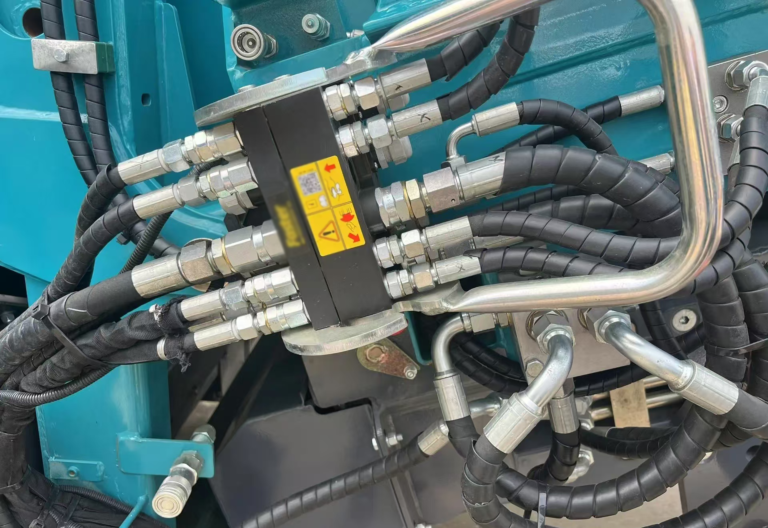
The rubber material itself has good elasticity, which enables the rubber hose to bend and twist flexibly in various complex installation environments, adapting to the connection requirements of different angles and directions. For example, in the engine compartment of a car, the rubber hose can cleverly connect the various components of the engine to ensure the smooth delivery of fluids such as fuel and lubricating oil, and maintain a stable connection even in the case of engine vibration and bumps during vehicle driving.
2. Good sealing
The rubber is soft and has a certain elastic deformation ability. When the rubber hose is connected to the interface, it can fit tightly to form a good sealing effect and effectively prevent fluid leakage. This feature is particularly important in areas such as gas transportation and hydraulic systems that require high sealing, ensuring the safe operation of the system and efficient use of energy.
3. Strong wear resistance
Rubber hoses usually have high wear resistance and can maintain a long service life under frequent friction and contact. In some industrial production scenarios, such as mines and construction, the transportation of materials will cause greater friction and wear on the pipeline. The rubber hose can withstand such harsh working conditions with its excellent wear resistance, reducing the frequency of pipeline replacement and maintenance costs.
4. Wide temperature adaptability
Different types of rubber materials have different temperature adaptability ranges, which enables rubber hoses to be used normally in a wide temperature range. Some specially formulated rubber hoses can maintain good flexibility in low temperature environments and will not become brittle or crack due to the cold; and in high temperature environments, they can also withstand the test of heat to a certain extent and ensure the normal transmission of fluids.